Stop Battery Energy Storage Systems (BESS) and High Voltage Cables on Long Island
Stop Battery Energy Storage Systems (BESS) and High Voltage Cables on Long Island
Under the guise of green energy, New York State is being destroyed from within, overriding even environmental laws to fill the state with renewable energy. Massive soalr farms and wind farms spread over thousands of acres, even prime farm acreage. And what can the local community do about it? Very little. This is a very real threat to democracy because we no longer have a say in how our community grows and develops. Now the politicians in Albany know what is best for us and they are willing to impose their will against the local community.
Election Day is coming. What you can do is make it Eviction Day for Governor Hochul. Your home and livelihood could depend on it. (The text belwo is from Google AI.)
New York’s Office of Renewable Energy Siting (ORES) bypasses local control by utilizing state preemption laws to override municipal zoning ordinances and fast-track utility-scale green energy projects. Created to help New York meet its aggressive Climate Leadership and Community Protection Act (CLCPA) mandates, ORES consolidates the environmental review and permitting of clean energy infrastructure into a single state-level mechanism. [1, 2, 3]
The agency disrupts local "home rule" authorities and accelerates project approvals through several key statutory powers: [1]
1. Preemption of "Unreasonably Burdensome" Local Laws [1, 2]
The primary mechanism by which ORES limits local control is its statutory authority to override local laws, zoning codes, and land-use ordinances. [1, 2]
2. Consolidated State-Level Permitting
ORES operates as a single-stop permitting venue. It replaces the traditional web of multiple local, county, and state permits with a single, comprehensive "Siting Permit". [1, 2]
3. Strict Statutory Shot-Clocks [1]
Before ORES, local opposition could stall projects indefinitely during local planning board reviews. ORES curtails this by imposing mandatory, state-enforced timelines. [1, 2]
4. High Thresholds for Local Intervention [1]
While municipalities are given a mandatory 60-day public comment window to submit a statement detailed with local compliance issues, the legal threshold to block a project is extraordinarily high. [1, 2]
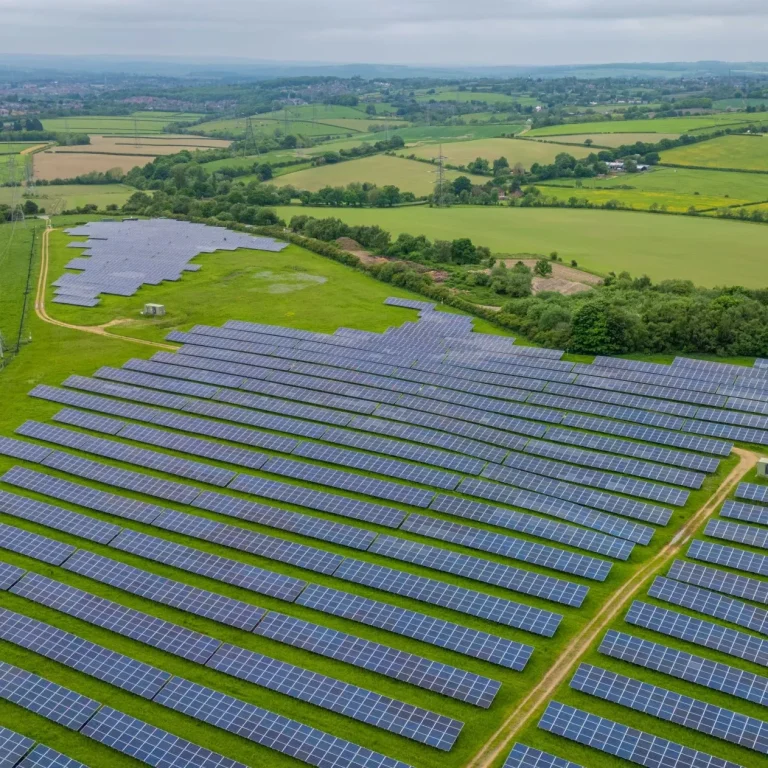
The New York RAPID Act, or Renewable Action Through Project Interconnection and Deployment Act, was passed by the NYS legislature in 2024 as part of the State budget. The stated purpose is to streamline and expedite the environmental review and permitting process for major renewable energy facilities and major electric transmission facilities in New York State.
More than likely, it was buried in the budget bill because the public outcry against this act would have been intense. Why? Because it eliminates local control over zoning and permitting for these facilities.
Another bill was just proposed - Senate Bill (S5506) - that would extend this authority to BESS battery storage facilities, as a way to circumvent local BESS moratoriums.
While the Act claims to preserve local input and environmental safeguards, the reality is that it does not. The Act allows ORES (Office of Renewable Energy Siting to supersede local laws found to be "unreasonably burdensome" relative to CLCPA targets, the project's environmental benefits, and public need. (CLCPA is the Climate Leadership & Community Protection Act.)
What all that means is the NYS is setting up to force the permitting of battery storage and high volage lines across Long Island and all of New Yor State even if it is against the wishes of the local community.
Call Your State Senators and Legislators and ask for help. How they respond (or don’t respond) will tell you all you need to know about where they stand on the issue. If they won’t help, then they need to get un-elected. That is the goal. This legislation was allowed to slide past unnoticed, buried in the much larger budget bill, but if we start calling, they can’t hide any longer!
Don't know who, or how, to call?
Click this link for a list of all Long Island NYS Senators and Assembly persons and how to contact them.,
We need your consent to load the translations
We use a third-party service to translate the website content that may collect data about your activity. Please review the details in the privacy policy and accept the service to view the translations.